In 1988, tragedy struck the coastal regions of Bangladesh when a catastrophic cyclone devastated crops,
destroyed millions of homes, and claimed over 3,000 lives. Amid the destruction, a group of determined
young volunteers from Krishnanagar Union in Kaliganj Upazila, Satkhira District, rose to the occasion.
They didn't just rebuild homes—they laid the foundation for hope and resilience by also focusing on
protecting the environment. That year, their passion and unity gave birth to Agrogoti Club, a communitydriven organization with a vision for change.
From its early days, Agrogoti Club actively sought knowledge and experience by engaging in meetings,
workshops, and seminars focused on human rights and environmental preservation. By 1994, they had
grown into a powerful force, launching the Krishnanagar Development Forum, which trained over 700
local men and women to protect biodiversity. They also championed women's rights by creating the
Female Member Association, pushing for systemic change at the government level.
The club's dedication led to official recognition in 1999 by the Social Welfare Directorate, and in 2004, it
evolved into Agrogoti Sangstha, solidifying its presence as a driving force for change. Over the years, its
mission expanded to address pressing social issues such as water and sanitation, acid violence, governance,
microcredit, and human trafficking.
With more than two decades of impactful work, Agrogoti Sangstha transformed its approach—moving
from microcredit support to a rights-based framework rooted in participation, empowerment, equity, and
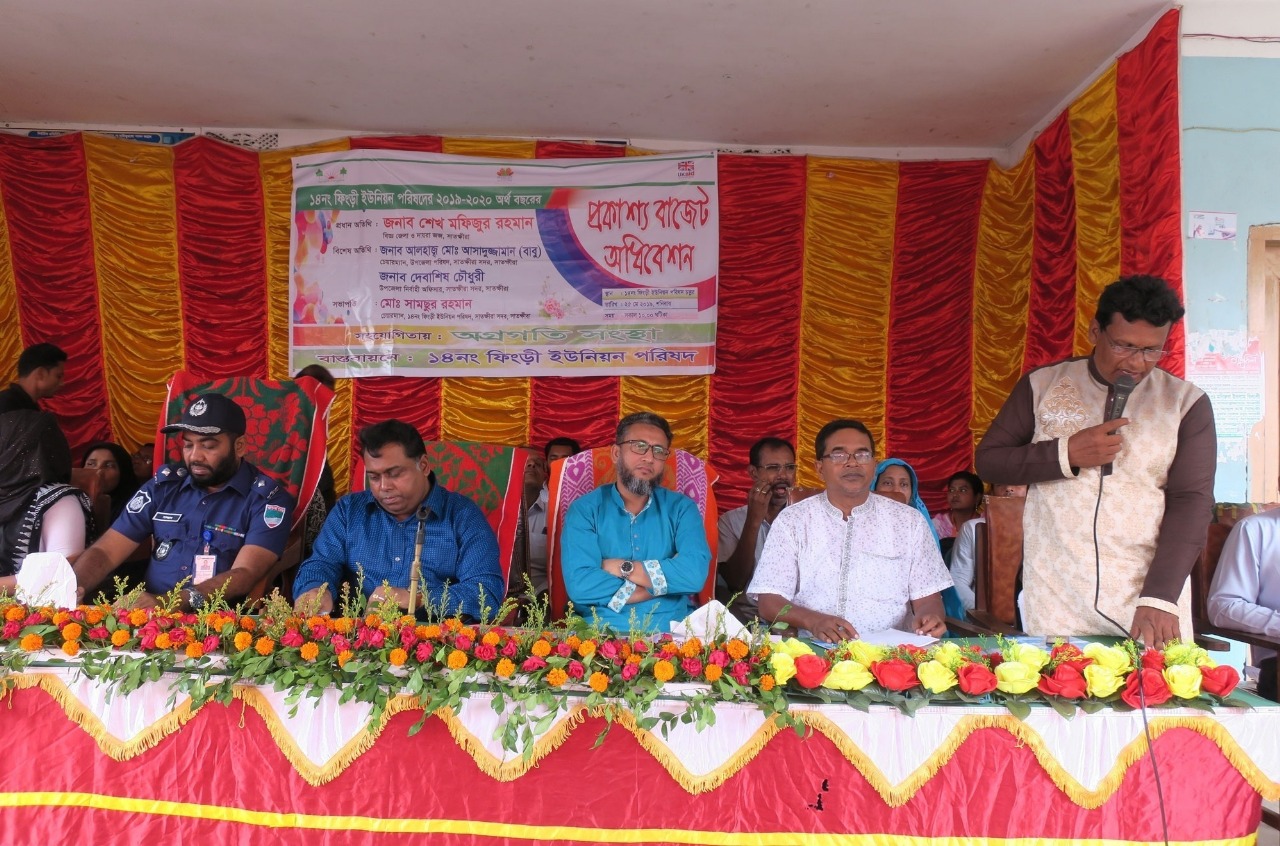
accountability. Today, the organization is a beacon of progress, championing causes like local governance,
child rights, freedom protection, and environmental sustainability.
Guided by its inspiring slogan, "An Initiative to Establish Human Rights through Good Governance,"
Agrogoti Sangstha continues to build a brighter, more equitable future for all.